
FOR NEW ZEALAND RESIDENTS
FOR NEW ZEALAND RESIDENTS


Hypothetical patient for illustrative purposes only.
PARP is short for poly (ADP-ribose) polymerase. It is a protein that helps repair damaged DNA in both healthy cells and cancer cells. “Inhibitor” is something that blocks or interferes.
PARP inhibitors work to stop PARP from repairing cancer cells. Blocking PARP may lead to cancer cell death and slow the return or progression of cancer. Because all cells use PARP, PARP inhibitors may also affect healthy cells and tissues.

Cancer cells function in many ways like healthy cells.
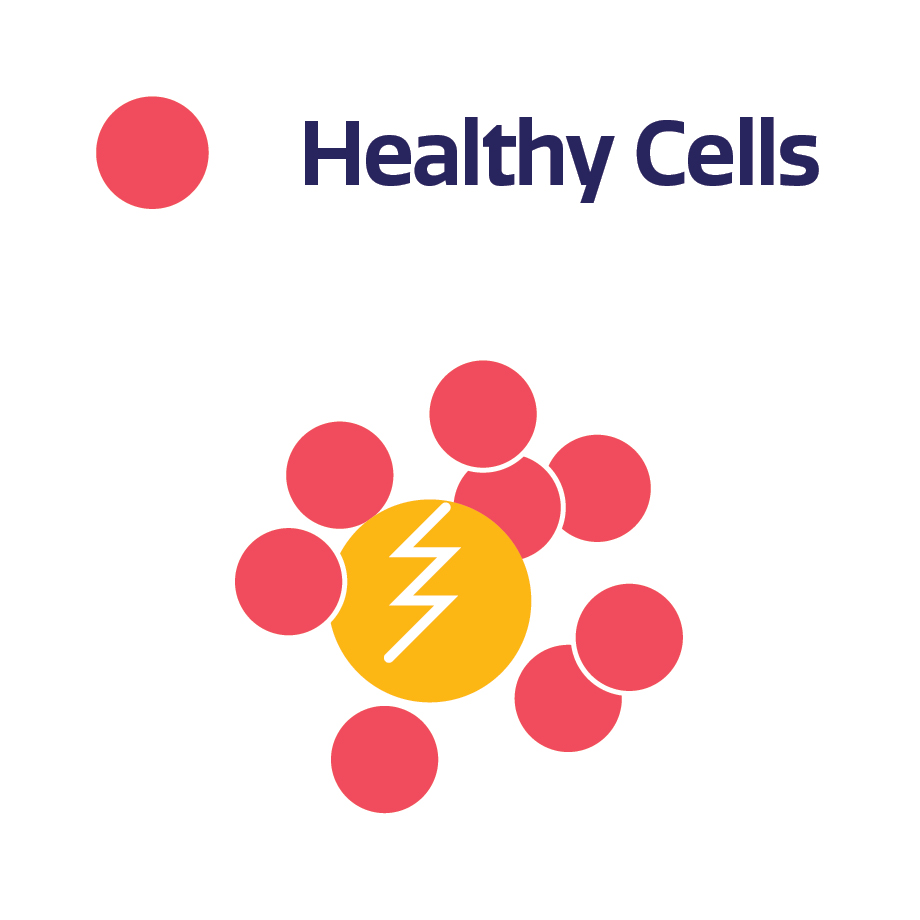
Cancer cells also get DNA damage throughout their life and use PARP to repair themselves.

Blocking PARP means that the DNA of cancer cells cannot be repaired. This results in tumour cell death, helping to control the cancer.
Glossary2:
PARP Inhibitors – A substance that blocks an enzyme in cells called PARP. PARP helps repair DNA when it becomes damaged. DNA damage may be caused by many things, including exposure to UV light, radiation, certain anticancer drugs, or other substances in the environment. In cancer treatment, blocking PARP may help keep cancer cells from repairing their damaged DNA, causing them to die. PARP inhibitors are a type of targeted therapy. Also called poly (ADP-ribose) polymerase inhibitor.
BRCA, breast cancer susceptibility gene; HR, homologous recombination; HRd, homologous recombination deficient; PARP, poly(ADP)-ribose polymerase


To help you in a conversation with your doctor about maintenance treatment and whether ZEJULA is right for you, download the attached question guide to take with you to your next oncology appointment.
NOW FULLY FUNDED*1
*Special Authority criteria applies
Any information provided on this website should be discussed with your Health Care Professional and does not replace Health Care Professional advice.
ZEJULA Safety Information:4
- Hypersensitivity to the active substance or any excipients.
- Breast feeding is contraindicated during administration of ZEJULA and for 1 month after receiving the last dose.
Adverse reactions: Very common (≥10%): thrombocytopenia, anaemia, neutropenia. Common (≥ 1/100 to <1/10): Myelodysplastic syndrome/ acute myeloid leukaemia, leukopenia, hypokalemia, hypertension, nausea, vomiting, abdominal pain, fatigue, asthenia, GGT and ALT increased.
References:
By clicking the links, you will be re-directed to a website not owned or monitored by GSK, and GSK is not responsible for the content of that website.
ZEJULA (niraparib: 100mg capsules and tablets) is a prescription medicine used in adults for the treatment of cancer of the ovary, the fallopian tubes or the peritoneum. It is used for the treatment of cancer that has responded to first treatment with platinum-based chemotherapy or come back (recurred) after the cancer has responded to previous treatment with standard platinum-based chemotherapy. ZEJULA is fully funded for the treatment of advanced and recurrent ovarian cancer; Special Authority criteria apply. ZEJULA has risks and benefits and should be initiated and supervised by a doctor experienced in the use of anticancer medicines. Ask your doctor if ZEJULA is right for you. If your symptoms worsen or you have side effects, see your doctor, pharmacist or healthcare professional. Use strictly as directed. Normal doctor charges apply. Additional product information and Consumer Medicine Information (CMI) is available at https://www.medsafe.govt.nz/Consumers/cmi/z/zejula.pdf.

Trademarks are owned by or licensed to the GSK group of companies. ©2025 GSK group of companies or its licensor. Marketed by GlaxoSmithKline NZ Limited, Auckland. Adverse events involving GlaxoSmithKline products should be reported to GSK Medical Information on 0800 808 500.
Registered office: Level 12, Aon Centre, 29 Customs Street West, Auckland 1010, New Zealand. Private Bag 106600, Auckland City, New Zealand 1143.
This site is intended for NZ audience only.
TAPS NP23024 PM-NZ-NRP-WCNT-250006 Date of Approval: 09 2025 Date of Expiry: 09 2027
